

Operation Process and Working Principle of Cement Powder Pneumatic Conveying System
Cement powder pneumatic conveying systems are critical components in industrial applications, particularly for the efficient transport of bulk cement powder from storage silos to processing or packaging units. The system operates by utilizing compressed air to create a flow that moves the cement powder through a network of pipes and ducts. This method offers advantages such as reduced equipment wear, minimal product contamination, and the ability to handle fine powders that are otherwise difficult to transport mechanically. HeadPowder, a leading provider of industrial conveying solutions, specializes in designing and manufacturing high-quality cement powder pneumatic conveying systems tailored to meet the specific needs of various industries.

Key Components of the System
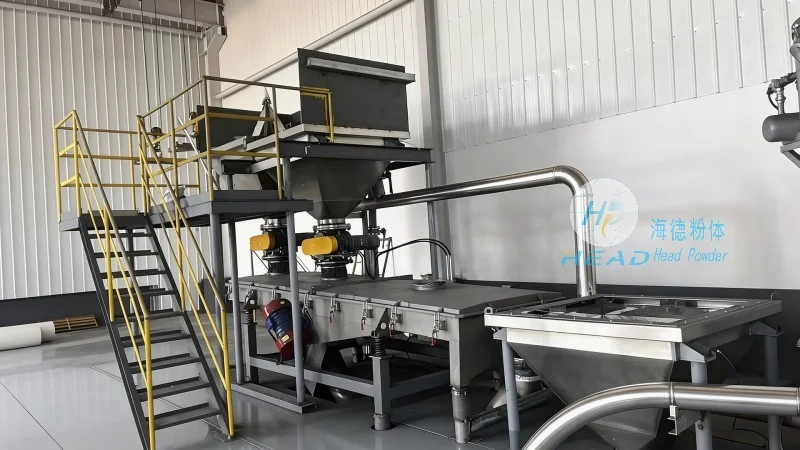
The cement powder pneumatic conveying system consists of several essential components that work in tandem to ensure smooth operation. These include the material hopper or silo, which serves as the storage and feeding unit; the air compressor or blower, which generates the necessary air pressure; the conveying line, typically made of stainless steel or other corrosion-resistant materials to handle the abrasive nature of cement; and the control system, which regulates the flow of air and material. Additionally, the system may incorporate features like cyclone separators or filters to separate the cement powder from the air stream, ensuring that the material is delivered to the target location without loss or contamination.
Working Principle of the Pneumatic Conveying Process
The operation of the cement powder pneumatic conveying system follows a systematic process. Initially, the cement powder is fed from the storage silo into the material hopper. The air compressor then supplies compressed air to the system, creating a pressure differential that draws the cement powder into the conveying line. As the air and powder mixture travels through the pipes, the air velocity is maintained at a level sufficient to keep the powder suspended and prevent clogging. At the destination, the air is separated from the cement powder using a cyclone or other separation device, allowing the powder to be discharged into the receiving vessel or processing equipment. The exhaust air is then filtered to remove any residual dust before being released back into the environment.
Operation Process: Step-by-Step
The operational process of the cement powder pneumatic conveying system can be broken down into several key steps. First, the system is started by activating the air compressor and the material feeding mechanism. The compressed air is then directed into the conveying line, creating a flow that initiates the movement of the cement powder from the hopper. As the powder is drawn into the system, the air velocity is carefully controlled to maintain a stable flow rate. The system continuously monitors the pressure and flow rates to ensure optimal performance. During operation, the material hopper is kept at an appropriate level to prevent air leakage or material buildup. The conveying line is designed with appropriate bends and fittings to minimize pressure losses and maintain the air-powder mixture's stability. At the receiving end, the cement powder is discharged into the target container, and the air is separated and filtered. The system then returns to standby mode once the material has been fully transferred.
Advantages of Using Pneumatic Conveying for Cement Powder
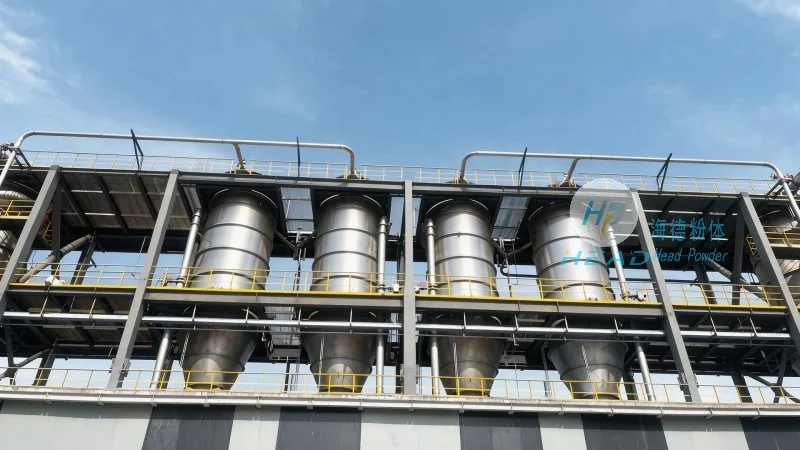
Implementing a pneumatic conveying system for cement powder offers several significant advantages over traditional mechanical conveying methods. One of the primary benefits is the reduction in equipment wear, as there are no moving parts in direct contact with the powder, which minimizes the risk of abrasion and damage. Additionally, the system provides a clean and hygienic transport process, as the cement powder is enclosed within the conveying line, preventing contamination from external sources. The ability to handle fine and abrasive powders is another key advantage, as the air flow effectively suspends the particles, preventing clogging and ensuring consistent flow rates. Furthermore, pneumatic conveying systems can be easily integrated into existing industrial setups, allowing for flexible and scalable solutions that adapt to varying production needs.

Application Scenarios and Industries
Cement powder pneumatic conveying systems are widely used across various industries that require the efficient transport of bulk powders. In the cement manufacturing industry, these systems are essential for moving raw materials and finished cement products between different stages of production. The construction sector also benefits from such systems, as they facilitate the delivery of cement to job sites, ensuring timely and consistent supply. Additionally, in the chemical and pharmaceutical industries, where fine powders need to be handled with precision, pneumatic conveying systems provide a reliable solution for maintaining product quality and purity. The versatility of the system makes it suitable for a wide range of applications, from small-scale laboratory operations to large-scale industrial production lines.
Maintenance and Operational Considerations
Proper maintenance is crucial to ensure the longevity and efficiency of the cement powder pneumatic conveying system. Regular inspections of the air compressor and conveying line are necessary to check for any signs of wear or damage. The material hopper and feeding mechanisms should be cleaned periodically to prevent the accumulation of cement powder, which can affect the system's performance. The cyclone separators and filters should be checked and cleaned as needed to maintain optimal air separation and prevent dust buildup. Additionally, the system's control system should be calibrated regularly to ensure accurate monitoring of pressure and flow rates. Proper training of operators is also essential to handle any potential issues that may arise during operation, such as clogs or pressure fluctuations. By adhering to these maintenance practices, the system can operate reliably and efficiently, minimizing downtime and maximizing productivity.