

Operation Process and Working Principle of Hydrogen Sulfide Powder Handling Systems
Hydrogen sulfide (H₂S) is a highly toxic and flammable gas, making the safe handling and transportation of its powder form a critical challenge in industrial applications. The powder handling systems designed for such hazardous materials are engineered with precision to ensure both efficiency and safety. This article delves into the operation process and working principle of hydrogen sulfide powder handling systems, highlighting the key components, operational procedures, and safety protocols that define their functionality.

System Overview and Core Components
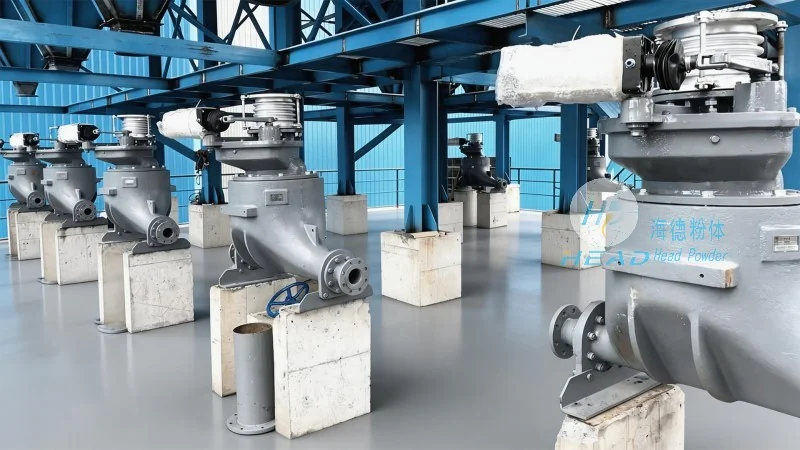
At the heart of a hydrogen sulfide powder handling system lies a carefully designed network of components engineered to manage the unique properties of H₂S powder. The system typically includes a hopper or feeder for material storage, a conveyor or pneumatic transport mechanism for movement, and a control system for operation. Each component is selected for its ability to handle the material's chemical and physical characteristics, such as its corrosive nature and potential for spontaneous combustion. The hopper, often made of corrosion-resistant materials like stainless steel or special alloys, stores the powder and regulates its flow into the transport system. The feeder, which may be a rotary valve or a screw conveyor, ensures a consistent and controlled discharge of the material. The transport mechanism, whether pneumatic (using air or inert gas) or mechanical (like a belt or screw conveyor), moves the powder from the storage area to the discharge point. The control system integrates sensors, valves, and actuators to monitor and adjust the flow rate, pressure, and other parameters in real-time, ensuring optimal performance and safety.
Working Principle: How the System Operates
The working principle of a hydrogen sulfide powder handling system revolves around the controlled movement of the powder from the storage hopper to the discharge point, while maintaining safety standards. The process begins with the material being fed from the hopper into the transport mechanism. In a pneumatic system, the powder is carried by a stream of air or an inert gas (like nitrogen) through pipes or ducts. The gas flow is regulated by control valves to maintain the desired velocity and pressure, preventing the powder from settling or clogging. In a mechanical system, the powder is moved by rotating components (e.g., screws or belts) that push the material forward. The control system continuously monitors parameters such as pressure, temperature, and flow rate, adjusting the operation as needed to prevent overloading or blockages. The system also includes safety features like pressure relief valves, explosion-proof designs, and gas detection sensors to mitigate risks associated with H₂S exposure and potential fires or explosions.
Step-by-Step Operation Process
The operation of a hydrogen sulfide powder handling system follows a systematic sequence to ensure safe and efficient material transport. The process starts with the preparation phase, where the system is checked for proper functioning, including the integrity of the hopper, feeder, and transport lines. The control system is then activated, and the feeder begins to discharge the powder into the transport mechanism. The transport system starts operating, moving the powder to the discharge point. During operation, the control system continuously monitors the system's performance, adjusting the flow rate or gas pressure as needed to maintain a stable and safe operation. The system continues to run until the material is fully transferred. The final step is the shutdown procedure, where the control system is deactivated, and the feeder and transport mechanism are stopped. The system is then checked for any residual material or potential hazards before being taken out of service. This step-by-step process ensures that the system operates within safe parameters and minimizes the risk of accidents or material loss.

Safety Measures and Compliance
Given the hazardous nature of hydrogen sulfide, safety is a paramount consideration in the design and operation of powder handling systems. The system incorporates multiple safety measures to protect operators and the environment. These include explosion-proof components, such as motors and control panels, to prevent ignition sources. Pressure relief valves are installed to release excess pressure in case of overfilling or blockages. Gas detection sensors are placed throughout the system to monitor H₂S levels and trigger alarms or shutdowns if concentrations exceed safe limits. The system is also designed with proper ventilation and containment to prevent the release of H₂S into the environment. Additionally, regular maintenance and inspections are conducted to ensure the system remains in good working condition and complies with relevant safety regulations, such as those from the Occupational Safety and Health Administration (OSHA) or local environmental agencies. These safety measures are critical to ensuring the system operates safely and effectively, protecting both personnel and the surrounding environment.

Applications and Industry Relevance
Hydrogen sulfide powder handling systems are widely used in industries where H₂S is a byproduct or raw material, such as petroleum refining, natural gas processing, and chemical manufacturing. The systems are essential for transporting H₂S powder from storage tanks or reactors to processing units or storage facilities. In petroleum refining, for example, H₂S is produced during the processing of crude oil and needs to be safely handled and transported to sulfur recovery units. In natural gas processing, H₂S is removed from the gas stream and converted into elemental sulfur or other products. The systems are also used in chemical manufacturing for the production of sulfur-based compounds. The reliability and safety of these systems are crucial to the success of these operations, as any failure could lead to accidents, environmental damage, or production disruptions. The systems are designed to meet the specific requirements of each application, ensuring optimal performance and compliance with industry standards.
About Shandong HeadPowder Engineering Co., Ltd.
Shandong HeadPowder Engineering Co., Ltd., operating under the brand name headpowder, is a leading provider of specialized powder handling systems for hazardous materials. With a focus on innovation and safety, the company designs and manufactures systems tailored to the unique needs of its clients. Headpowder's systems are engineered to handle materials like hydrogen sulfide, which require advanced safety features and precise control mechanisms. The company's team of engineers and technicians work closely with clients to understand their specific requirements and develop customized solutions that meet their operational and safety needs. Headpowder is committed to providing high-quality, reliable systems that enhance operational efficiency while maintaining the highest safety standards. The company's facilities are located in Shandong, China, where it leverages its expertise and resources to deliver cutting-edge solutions to the global market.