

Operation Process and Working Principle of Pneumatic Conveying for Wood Dust Materials
Wood dust materials, as a common type of bulk material in industrial production, require efficient and reliable conveying methods to ensure smooth workflow. Pneumatic conveying, a technology that uses air as the conveying medium to transport powders and granules, has become a preferred solution for wood dust handling due to its advantages in hygiene, safety, and operational flexibility. This article will explore the operation process and working principle of pneumatic conveying systems specifically designed for wood dust materials, highlighting the key components, operational mechanisms, and practical applications.

Company Profile: Shandong HeadPowder Engineering Co., Ltd.
As a leading engineering company specializing in powder handling solutions, Shandong HeadPowder Engineering Co., Ltd. (referred to as HeadPowder) has been committed to providing innovative and efficient pneumatic conveying systems for various industries. With a strong focus on research and development, HeadPowder offers tailored solutions that meet the unique requirements of wood dust processing, ensuring high performance and durability in demanding environments. The company's headquarters is located in Shandong, China, where it leverages local resources and expertise to deliver top-tier engineering services and products.
Understanding Pneumatic Conveying Systems for Wood Dust
Pneumatic conveying systems for wood dust materials typically consist of several core components, each playing a critical role in the overall operation. The primary components include the dust source, a conveying line (often equipped with air ducts and valves), a dust collector or receiver, and a blower or air compressor that generates the necessary air pressure. The dust source, such as a hopper or storage silo, holds the wood dust, while the conveying line transports the material from the source to the destination. The dust collector or receiver is responsible for separating the wood dust from the air stream, allowing the material to be deposited in the desired location. The blower or air compressor provides the motive force, creating the pressure differential needed to move the wood dust through the system.
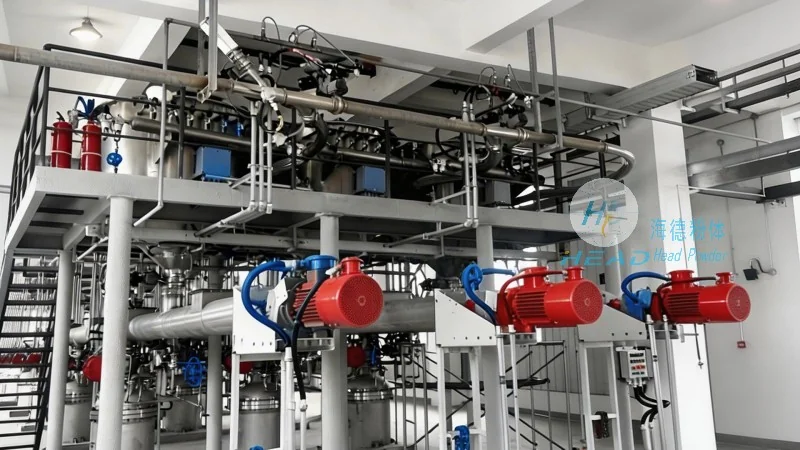
The Working Principle of Pneumatic Conveying for Wood Dust
The operation of a pneumatic conveying system for wood dust materials relies on the principle of air flow and pressure differential. When the system is activated, the blower or air compressor generates high-pressure air, which is introduced into the conveying line. This air flows through the line, creating a negative pressure (or suction) at the dust source. As a result, the wood dust is drawn into the air stream and carried along the conveying line to the receiver. The air velocity within the line is carefully controlled to ensure that the wood dust particles are fully entrained and transported without clogging or degradation. The system may also incorporate features such as cyclones or filters in the dust collector to separate the wood dust from the air, preventing dust emissions and maintaining environmental compliance.
Key Operational Steps in the Pneumatic Conveying Process
The operation of a pneumatic conveying system for wood dust materials involves a series of coordinated steps to ensure efficient material transport. The process typically begins with the loading of wood dust into the dust source. Once the system is started, the blower generates the required air pressure, and the air flows through the conveying line, creating a suction effect at the source. The wood dust is then drawn into the air stream and transported to the receiver. At the receiver, the air and wood dust are separated, with the wood dust being deposited in a container or processing area. The air, now clean, is either recirculated back into the system or vented to the atmosphere, depending on the system design. The entire process is controlled by a series of valves and sensors that monitor pressure, flow, and material levels, ensuring smooth and continuous operation.
Advantages of Pneumatic Conveying for Wood Dust Handling
Pneumatic conveying systems offer several advantages when handling wood dust materials. Firstly, they provide a clean and hygienic method of transport, as the material is enclosed within the conveying line, preventing dust contamination and exposure to the environment. This is particularly important in industries where product purity is critical, such as food processing or pharmaceutical manufacturing. Secondly, pneumatic conveying systems are highly flexible, allowing for vertical, horizontal, or inclined transport of wood dust, adapting to the layout of the facility. Thirdly, these systems are relatively compact and can be integrated into existing production lines, minimizing space requirements and installation costs. Additionally, pneumatic conveying reduces the risk of material spillage and damage, as the material is transported in a controlled manner without the need for manual handling or mechanical conveyors.

Applications and Industries Using Pneumatic Conveying for Wood Dust
Pneumatic conveying systems for wood dust are widely used in various industries that process wood-based materials. In the woodworking industry, these systems are employed to transport sawdust, wood chips, and other wood waste from production lines to storage or processing areas. In the paper and pulp industry, pneumatic conveying is used to transport wood pulp from storage silos to paper machines. Additionally, in the furniture manufacturing industry, these systems help in conveying wood dust and sawdust for recycling or disposal. The versatility of pneumatic conveying makes it suitable for a range of applications, from small-scale woodworking shops to large-scale industrial facilities.
Conclusion: The Role of HeadPowder in Pneumatic Conveying Solutions
As a leading provider of engineering solutions, Shandong HeadPowder Engineering Co., Ltd. plays a crucial role in advancing the technology of pneumatic conveying for wood dust materials. By leveraging its expertise in powder handling and industrial engineering, HeadPowder designs and manufactures customized pneumatic conveying systems that meet the specific needs of its clients. The company's commitment to quality, efficiency, and sustainability ensures that its products contribute to the smooth operation of wood dust processing facilities while adhering to environmental and safety standards. With continuous innovation and a focus on customer satisfaction, HeadPowder remains at the forefront of providing reliable and effective pneumatic conveying solutions for the wood dust industry.