

Operation Process and Working Principle of Pneumatic Conveying Equipment for Fine Chemical Materials
For industries dealing with fine chemical materials, efficient and reliable material handling is crucial. Pneumatic conveying equipment offers a solution that ensures safe, clean, and continuous transport of these delicate substances. This equipment is designed to handle materials with specific characteristics, such as low bulk density, high moisture content, or sensitivity to contamination. The operation process and working principle of such equipment are integral to understanding its effectiveness in industrial applications.

Key Components and Their Roles
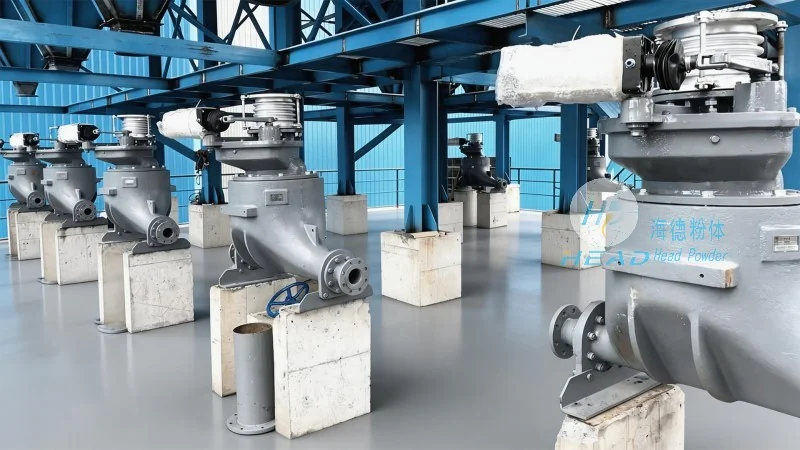
The pneumatic conveying system for fine chemicals typically consists of several key components, each playing a vital role in the overall operation. These components include the material hopper, which stores the bulk material; the air supply system, responsible for generating the necessary airflow; the conveying line, which transports the material; and the discharge unit, where the material is released. Additionally, control systems and safety features are integrated to ensure smooth and safe operation. The material hopper is often equipped with a feeder, such as a rotary valve or a screw feeder, to regulate the flow of material into the system. The air supply system may use a blower or a compressor to generate the required pressure and flow rate. The conveying line can be made of metal or plastic, depending on the material's properties and the system's design. The discharge unit may include a filter or a cyclone to separate the material from the air stream.
Operation Process: Step-by-Step Explanation
The operation of pneumatic conveying equipment for fine chemicals involves a series of steps that ensure the material is transported efficiently from the source to the destination. The process begins with the material being fed into the hopper from a storage silo or a batch container. The feeder then controls the flow rate, ensuring a consistent supply of material into the conveying line. Simultaneously, the air supply system generates the necessary airflow, which is introduced into the conveying line at a specific point. As the material is introduced into the air stream, it becomes entrained and is carried through the line to the discharge point. The air and material mixture then passes through the discharge unit, where the material is separated from the air. The separated material is collected in a receiving container, while the air is either filtered and recirculated or vented to the atmosphere. This process is typically continuous, allowing for a steady flow of material without interruptions.

Working Principle: How It Transports Materials
The working principle of pneumatic conveying equipment relies on the interaction between the material and the air stream. There are two main types of pneumatic conveying systems: dilute-phase and dense-phase. Dilute-phase systems operate at higher air velocities, typically above 20 m/s, and are suitable for transporting materials with low to medium bulk density. In this system, the material is suspended in the air stream and transported as a dilute mixture. Dense-phase systems, on the other hand, operate at lower air velocities, typically below 10 m/s, and are used for materials with higher bulk density or those that are more sensitive to pressure changes. In dense-phase systems, the material is transported as a dense slug or plug, with the air acting as a carrier. The choice between these systems depends on the material's properties and the required transport distance. The air flow rate and pressure are carefully controlled to maintain the desired conveying conditions. The system's design, including the conveying line diameter and length, also affects the overall performance and efficiency.
Advantages and Applications in Fine Chemical Industries
Pneumatic conveying equipment offers several advantages that make it ideal for handling fine chemical materials. These include the ability to transport materials in a closed system, which prevents contamination and dust emissions. The equipment is also suitable for transporting materials with high moisture content or those that are prone to caking. Additionally, the system can handle materials with varying particle sizes and shapes, making it versatile for different applications. In the fine chemical industry, this equipment is commonly used for transporting powders, granules, and other solid materials from production lines to storage silos, or from storage to processing units. It is also used in pharmaceutical and food processing industries, where hygiene and safety are paramount. The equipment's ability to maintain a clean and controlled environment ensures that the materials remain free from contamination, which is critical for product quality and regulatory compliance.

Company Overview: Shandong HeadPowder Engineering Co., Ltd.
Shandong HeadPowder Engineering Co., Ltd., operating under the brand name headpowder, specializes in the design, manufacturing, and supply of pneumatic conveying equipment for various industrial applications. With a focus on precision and reliability, the company has established itself as a leading provider in the field. HeadPowder's expertise lies in understanding the unique requirements of different industries, particularly those dealing with fine chemicals. The company's products are engineered to meet the highest standards of performance and safety, ensuring that they can handle the most challenging materials with ease. HeadPowder's commitment to quality and customer satisfaction has earned it a reputation for excellence in the industry. The company's facilities are equipped with advanced technology and skilled personnel, enabling them to develop customized solutions that meet the specific needs of each client. Whether it's a standard system or a customized design, HeadPowder provides comprehensive support, from initial consultation to installation and maintenance.