

Several Solutions for the Pneumatic Conveying of High-Alumina Fly Ash
High-alumina fly ash, a byproduct of cement production and other industrial processes, presents unique handling challenges due to its abrasive nature and varying particle size distribution. Effective material transport is crucial for optimizing production efficiency and ensuring safe operation in industrial facilities. This article explores several practical solutions for the pneumatic conveying of high-alumina fly ash, highlighting the technical approaches and considerations that enable reliable material handling in demanding environments.
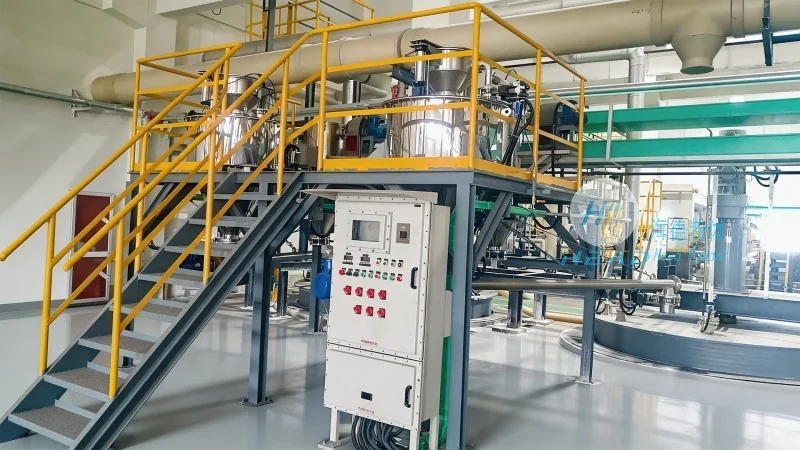
Overview of Pneumatic Conveying Systems
Pneumatic conveying systems are widely used for transporting bulk materials like fly ash due to their ability to handle abrasive and dusty materials with minimal wear and reduced risk of contamination. The core principle involves using air pressure to move material through a pipeline, with systems typically categorized as either positive pressure or negative pressure (vacuum) systems. Each type offers distinct advantages and is suitable for different operational requirements, including material characteristics, distance, and system complexity.
Option 1: Positive Pressure (Pressure) Pneumatic Conveying
Positive pressure systems operate by blowing air or a mixture of air and gas through the conveying line, pushing material forward. This method is particularly effective for high-alumina fly ash because it can handle abrasive materials with minimal wear on equipment. The system consists of a blower, a hopper for material storage, and a pipeline network that transports the material to the destination. Key advantages include high conveying capacity, ability to handle long distances, and reduced risk of material degradation compared to vacuum systems. However, positive pressure systems require more robust equipment and may generate higher noise levels, making them suitable for applications where material is moved from a central source to multiple destinations or over significant distances.

Option 2: Negative Pressure (Vacuum) Pneumatic Conveying
Negative pressure systems use a vacuum to draw material from a source into a pipeline, pulling it towards the receiver. This approach is ideal for applications where material needs to be collected from multiple points or where the material is sensitive to pressure changes. For high-alumina fly ash, vacuum systems can effectively handle fine particles and reduce dust emissions during transport. The system includes a vacuum pump, a collection hopper, and a pipeline that connects to the material source. Advantages of vacuum systems include lower noise levels, suitability for short to medium distances, and reduced energy consumption compared to positive pressure systems. However, they may have lower conveying capacities and are more prone to wear from abrasive materials over long distances.
Option 3: Mixed-Pressure (Combined) Pneumatic Conveying
Combined systems integrate both positive and negative pressure principles to optimize material transport. They often use a positive pressure section for the initial boost and a vacuum section for the final collection or return. This approach is beneficial for high-alumina fly ash when transporting material over long distances with multiple collection points. The system can start with a positive pressure blower to move material from the source and then switch to a vacuum pump to collect material from intermediate hoppers or collection points. This hybrid approach balances the advantages of both positive and negative pressure systems, offering flexibility in handling varying material conditions and operational requirements.

Key Considerations for High-Alumina Fly Ash Conveying
When selecting a pneumatic conveying solution for high-alumina fly ash, several factors must be carefully evaluated to ensure optimal performance and longevity of the system. Material properties, such as particle size, density, and abrasiveness, are critical. High-alumina fly ash often contains fine particles that can cause wear on pipelines and equipment, so materials like stainless steel or special alloys are commonly used for components exposed to the material. System design must also account for the distance between the source and destination, as well as the number of transfer points, to determine the appropriate blower capacity and pipeline diameter. Additionally, environmental regulations regarding dust emissions and noise levels may influence the choice of system type and equipment specifications.

Application Examples and Case Studies
Shandong HeadPowder Engineering Co., Ltd., a leading provider of material handling solutions, has successfully implemented pneumatic conveying systems for high-alumina fly ash in various industrial applications. For instance, a cement plant in Shandong, China, utilized a positive pressure system to transport fly ash from the kiln to a storage silo over a distance of 500 meters. The system, equipped with stainless steel pipelines and a high-capacity blower, achieved a conveying rate of 30 tons per hour while maintaining low maintenance costs. Another project involved a negative pressure system for collecting fly ash from multiple collection points in a power plant, where the vacuum pump effectively pulled material through 200 meters of pipeline with minimal dust leakage. These case studies demonstrate the effectiveness of tailored pneumatic conveying solutions in handling high-alumina fly ash under real-world conditions.
Conclusion and Recommendations
Pneumatic conveying offers reliable and efficient solutions for the transport of high-alumina fly ash, with options ranging from positive pressure to negative pressure and hybrid systems. The choice of system depends on specific operational requirements, including material characteristics, distance, and environmental constraints. For abrasive materials like high-alumina fly ash, investing in robust equipment and proper system design is essential to ensure long-term performance and minimize downtime. Companies like Shandong HeadPowder Engineering Co., Ltd. provide expert consultation and customized solutions to address the unique challenges of fly ash handling, helping industrial facilities optimize their material transport processes and improve overall operational efficiency.