

Operation Process and Working Principle of Lithium Oxalate Material Pneumatic Conveying Line
HeadPowder, a leading engineering company based in Shandong, China, specializes in the design, manufacturing, and installation of advanced pneumatic conveying systems for various industrial applications. This article provides a detailed overview of the operation process and working principle of a lithium oxalate material pneumatic conveying line, highlighting the key components, operational mechanisms, and benefits of such systems in material handling.
Company Profile and Expertise
Shandong HeadPowder Engineering Co., Ltd. is a reputable enterprise in the field of powder processing and material handling solutions. With a strong commitment to technological innovation and customer satisfaction, HeadPowder has established itself as a trusted partner for industries requiring efficient and reliable pneumatic conveying systems. The company's expertise lies in customizing solutions tailored to the specific needs of clients, ensuring optimal performance and durability in demanding operational environments.
Understanding Pneumatic Conveying for Lithium Oxalate
Lithium oxalate is a critical raw material used in the production of lithium-ion batteries, and its handling requires precise control to maintain product quality and prevent contamination. Pneumatic conveying systems offer a non-contact, low-cost method for transporting fine powders like lithium oxalate over long distances with minimal degradation. The system operates by using a pressurized air stream to move the material through a network of pipes, ensuring efficient and hygienic material transfer.

Key Components of the Pneumatic Conveying Line
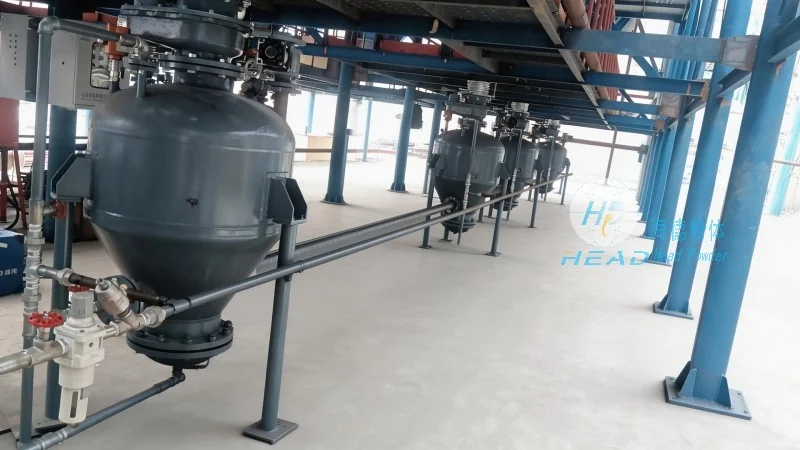
The lithium oxalate pneumatic conveying line typically consists of several essential components that work in tandem to achieve effective material transport. These include a material feeder, a positive displacement blower or air compressor, a conveying pipeline system, a control valve, and a receiver or discharge unit. Each component plays a crucial role in the overall operation, ensuring smooth and controlled movement of the material.
Working Principle: How the System Operates
The operation of the lithium oxalate pneumatic conveying line begins with the material feeder, which feeds the lithium oxalate powder into the system at a controlled rate. The feeder ensures a consistent flow of material, preventing overloading or underfeeding that could disrupt the conveying process. Next, the positive displacement blower generates a high-pressure air stream, which is directed into the conveying pipeline. The air stream creates a low-pressure zone that draws the lithium oxalate particles into the pipeline, where they are carried along by the air flow.

Control and Regulation Mechanisms
Advanced control systems are integrated into the pneumatic conveying line to regulate the flow rate, pressure, and air volume, ensuring optimal performance. Sensors and monitoring devices continuously track the system's parameters, such as pressure, flow rate, and material level, providing real-time feedback to the control unit. This allows for automatic adjustments to maintain stable operation and prevent issues like blockages or excessive pressure drops. The control system also includes safety features to shut down the system in case of abnormal conditions, protecting both the equipment and the material being conveyed.
Benefits of Pneumatic Conveying for Lithium Oxalate Handling
Implementing a pneumatic conveying system for lithium oxalate offers several advantages over traditional material handling methods. These include reduced product contamination due to the non-contact transport, lower labor costs as the system operates automatically, and improved safety by eliminating manual handling of powders. Additionally, the system allows for precise control over the material flow, ensuring consistent quality and reducing waste. The compact design of the conveying line also saves space in industrial facilities, making it suitable for both new installations and retrofit applications.

Operational Considerations and Maintenance
Proper operation and regular maintenance are essential to ensure the long-term efficiency and reliability of the lithium oxalate pneumatic conveying line. Regular cleaning of the conveying pipeline and components is necessary to prevent the buildup of material residues, which can lead to blockages or reduced performance. The blower and other moving parts should be inspected and lubricated according to the manufacturer's recommendations to maintain optimal performance. Additionally, monitoring the air pressure and flow rate regularly helps identify potential issues early, allowing for timely maintenance and preventing costly downtime.
Conclusion
HeadPowder's lithium oxalate pneumatic conveying line exemplifies the advanced engineering and expertise required to handle critical materials efficiently and safely. By understanding the operation process and working principles of such systems, industries can leverage these technologies to improve their material handling processes, enhance product quality, and reduce operational costs. With its commitment to innovation and customer satisfaction, Shandong HeadPowder Engineering Co., Ltd. continues to provide reliable and effective solutions for the evolving needs of the industrial sector.