

Several Solutions for Hydrogen Sulfide Pneumatic Conveying
Hydrogen sulfide (H₂S) is a highly toxic and corrosive gas commonly encountered in industrial processes, particularly in the oil and gas, petrochemical, and mining sectors. Efficient and safe handling of H₂S through pneumatic conveying systems is critical to ensure operational safety, minimize environmental impact, and maintain process efficiency. This article explores several key solutions for the pneumatic conveying of hydrogen sulfide, highlighting the importance of tailored engineering approaches to address the unique challenges posed by this hazardous material.

Understanding Hydrogen Sulfide Pneumatic Conveying Challenges
Before delving into specific solutions, it is essential to understand the challenges associated with H₂S pneumatic conveying. H₂S is not only toxic but also corrosive to metal components, requiring specialized materials and design considerations. Additionally, the gas is heavier than air, which can lead to accumulation in low-lying areas and pose significant safety risks if not properly managed. The need for explosion-proof equipment, corrosion-resistant materials, and effective gas containment systems makes the design of H₂S conveying systems a complex task that demands expert engineering knowledge.
Key Pneumatic Conveying Solutions for Hydrogen Sulfide
There are primarily three types of pneumatic conveying systems used for handling hydrogen sulfide: positive pressure, negative pressure, and hybrid systems. Each approach has its own advantages and is selected based on factors such as material properties, system layout, and operational requirements.
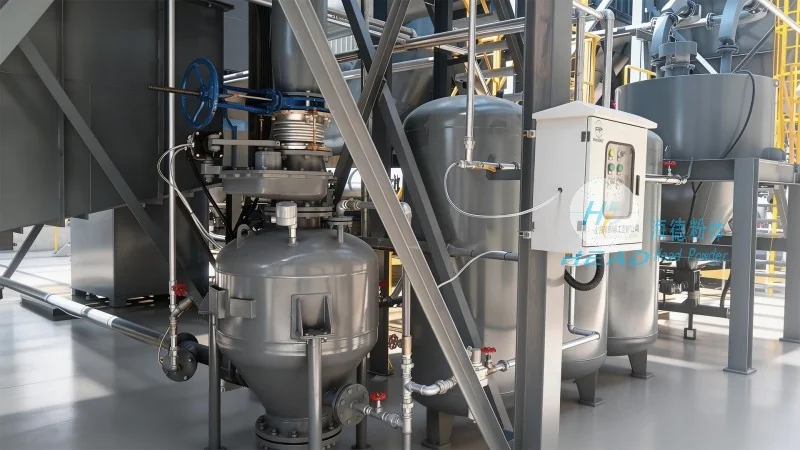
1. Positive Pressure Pneumatic Conveying Systems
Positive pressure systems are widely used for H₂S conveying due to their ability to handle abrasive and corrosive materials while maintaining a positive pressure environment that prevents external air from entering the system. In a positive pressure system, air or a carrier gas is supplied under pressure to the conveying line, pushing the material through the pipeline. This method is particularly effective for long-distance conveying and for applications where the material needs to be delivered to multiple destinations. The system typically includes a blower or compressor at the inlet, a hopper for material storage, and a discharge point at the receiving end. Positive pressure systems are also easier to maintain and inspect compared to negative pressure systems, as they do not require sealed enclosures to prevent air leakage.
2. Negative Pressure Pneumatic Conveying Systems
Negative pressure systems, also known as vacuum or suction systems, are used when the material needs to be drawn from a source and conveyed to a collection point. These systems are particularly suitable for applications where the material is generated at a fixed location and needs to be transported to a processing or storage facility. The main advantage of negative pressure systems is their ability to handle materials that are difficult to move by positive pressure, such as fine powders or those with low bulk density. However, negative pressure systems require sealed enclosures to prevent the escape of H₂S gas, which can be challenging due to the corrosive nature of the material. The system typically includes a vacuum pump or fan at the discharge end, a hopper or collection chamber, and a conveying line that connects the source to the collection point. Proper sealing and ventilation are critical to ensure the safety of personnel and the integrity of the system.

3. Hybrid Pneumatic Conveying Systems
Hybrid systems combine the features of both positive and negative pressure systems, offering flexibility and efficiency for complex conveying tasks. These systems are often used when the material needs to be conveyed over long distances with multiple pick-up and discharge points. A hybrid system may use a positive pressure blower at the inlet to start the conveying process and then switch to a negative pressure suction at the discharge end to complete the transfer. This approach allows for the handling of materials with varying properties and can reduce energy consumption compared to using a single system type. Hybrid systems are particularly effective in applications where the material is generated at multiple locations and needs to be consolidated into a central processing facility.
Customized Solutions from Shandong HeadPowder Engineering Co., Ltd.
Shandong HeadPowder Engineering Co., Ltd., a leading provider of industrial engineering solutions, specializes in designing and manufacturing customized pneumatic conveying systems for hydrogen sulfide and other hazardous materials. With years of experience in the field, the company understands the unique challenges associated with H₂S handling and offers tailored solutions that meet the specific needs of each client. The company’s engineering team works closely with clients to assess their operational requirements, material properties, and safety regulations, ensuring that the final system is both efficient and compliant with industry standards.
Key Features of HeadPowder’s H₂S Pneumatic Conveying Systems
HeadPowder’s pneumatic conveying systems for hydrogen sulfide are designed with several key features to ensure safety, reliability, and efficiency. The systems are constructed using corrosion-resistant materials such as stainless steel, Hastelloy, or special alloys that can withstand the harsh conditions of H₂S exposure. The equipment is also equipped with explosion-proof components, including blowers, fans, and control panels, to prevent the risk of ignition in the presence of the gas. Additionally, the systems incorporate advanced control systems that monitor pressure, flow, and temperature in real-time, allowing for immediate detection of any abnormalities and preventing potential accidents.

Application Examples and Case Studies
HeadPowder has successfully implemented H₂S pneumatic conveying systems in various industrial applications, including oil and gas production, petrochemical processing, and mining operations. For example, in a recent project for an oil refinery, the company designed a positive pressure system to transport H₂S from a sour gas separator to a treatment facility. The system was able to handle the high flow rates and corrosive nature of the material while maintaining a high level of safety and efficiency. Another project involved the installation of a negative pressure system in a mining operation to collect H₂S from a tailings pond and transport it to a processing plant. The system was able to handle the fine, abrasive particles of the material and ensure that no H₂S gas escaped into the environment.
Conclusion
The pneumatic conveying of hydrogen sulfide requires careful consideration of safety, material properties, and operational efficiency. By selecting the appropriate system type and designing it with specialized materials and components, industrial facilities can effectively handle H₂S while minimizing risks to personnel and the environment. Shandong HeadPowder Engineering Co., Ltd. offers a range of customized solutions for H₂S pneumatic conveying, backed by years of experience and a commitment to quality and safety. With their expertise in industrial engineering, HeadPowder is a trusted partner for companies seeking reliable and efficient solutions for handling hydrogen sulfide and other hazardous materials.