

Introduction and Structural Principle Explanation of Molybdenum Trioxide Pneumatic Conveying System
Molybdenum trioxide (MoO₃) is a critical industrial material widely used in sectors such as chemical synthesis, catalyst production, and high-temperature applications. The efficient and safe transportation of this fine powder is essential for industrial processes, and pneumatic conveying systems have emerged as a preferred solution. This article provides an overview of molybdenum trioxide pneumatic conveying lines, detailing their structural components and operational principles to help users understand the technology better.
Key Components of Molybdenum Trioxide Pneumatic Conveying Systems
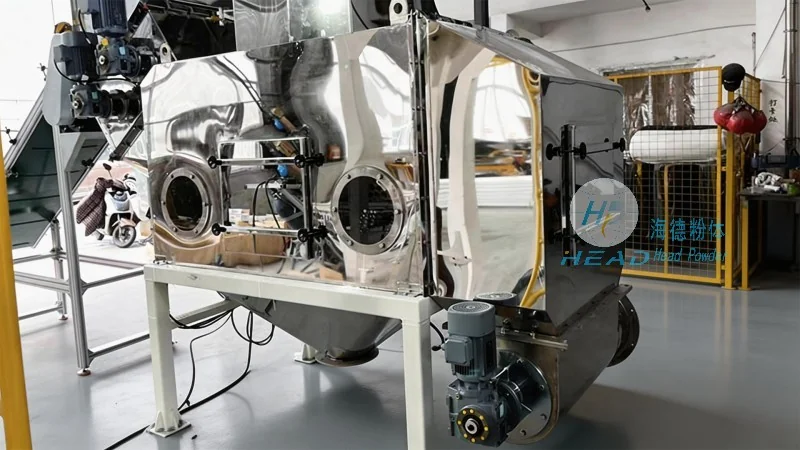
A typical molybdenum trioxide pneumatic conveying system consists of several interconnected components designed to handle the material's characteristics. The primary components include a feeding device, a conveying pipeline, a gas-solid separation unit, and a control system. Each component plays a vital role in ensuring the smooth and reliable operation of the entire system.
The feeding device is responsible for introducing the molybdenum trioxide powder into the system. It may include a hopper with a rotary valve or a vibratory feeder to control the material flow rate. This component ensures that the powder is fed consistently without blockages or overloading, which could affect the system's performance.
The conveying pipeline is the core of the system, where the powder is transported by air. The pipeline is usually made of stainless steel or other corrosion-resistant materials to prevent contamination and ensure durability. The design of the pipeline, including bends and elbows, is crucial to maintain the material's flow and prevent particle degradation.

The gas-solid separation unit is a critical part of the system, responsible for separating the molybdenum trioxide powder from the air stream. This unit typically consists of a cyclone separator or a bag filter. The cyclone uses centrifugal force to separate the particles from the air, while the bag filter captures fine particles using fabric filters. The separated powder is then collected in a hopper or container for further use.
The control system monitors and regulates the operation of the pneumatic conveying system. It includes sensors to measure pressure, flow rate, and temperature, as well as control valves to adjust the air pressure and flow. The control system ensures that the system operates within safe and efficient parameters, preventing issues such as overpressure or material clogging.
Operational Principles of Molybdenum Trioxide Pneumatic Conveying Systems
Molybdenum trioxide pneumatic conveying systems operate based on the principle of transporting solid particles through a pipeline using a gas stream. There are two main types of pneumatic conveying systems: suction (or vacuum) systems and pressure systems.
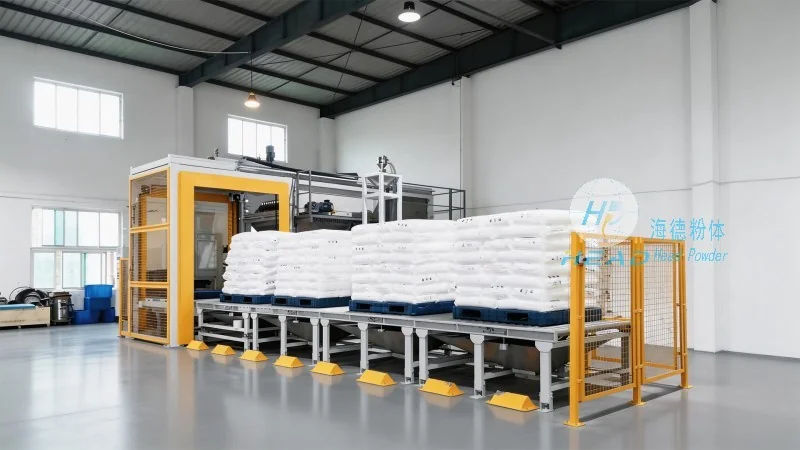
In suction systems, a vacuum is created at the receiving end of the pipeline to draw the molybdenum trioxide powder from the feeding point. The vacuum is generated by a fan or a vacuum pump, which pulls air and the powder mixture through the pipeline. This type of system is suitable for short to medium distances and is commonly used for loading materials into containers.
In pressure systems, compressed air is used to push the molybdenum trioxide powder through the pipeline. The compressed air is introduced at the feeding end of the pipeline, creating a pressure difference that propels the material forward. Pressure systems are ideal for longer distances and can handle higher material flow rates compared to suction systems.
The operational principle involves creating a flow of air that carries the powder particles. The air velocity must be sufficient to overcome the gravitational force and the friction between the particles and the pipeline walls. The system's design must ensure that the air velocity remains within an optimal range to prevent particle degradation or system blockages.

About Shandong HeadPowder Engineering Co., Ltd.
Shandong HeadPowder Engineering Co., Ltd., operating under the brand name headpowder, is a leading manufacturer and supplier of industrial conveying systems. With years of experience in the field, the company specializes in designing and manufacturing customized pneumatic conveying solutions for various materials, including molybdenum trioxide. The company's headquarters is located in Shandong, China, where it has established a strong presence in the industrial equipment market.
headpowder is committed to providing high-quality, reliable, and efficient pneumatic conveying systems that meet the specific needs of its clients. The company's team of engineers and technicians works closely with customers to understand their requirements and develop tailored solutions. By leveraging advanced technology and rigorous quality control processes, headpowder ensures that its products are durable, safe, and perform optimally in various industrial applications.
The company's facilities in Shandong, China, are equipped with state-of-the-art manufacturing equipment and testing facilities. This enables headpowder to produce pneumatic conveying systems that comply with international standards and meet the stringent requirements of the chemical and industrial sectors. Clients can rely on headpowder for its expertise, professionalism, and commitment to delivering superior products and services.