

Design Considerations for Silica Fume Pneumatic Conveying System Solutions
When designing a silica fume pneumatic conveying system, several key factors must be carefully considered to ensure efficient and reliable operation. The system's performance is directly influenced by the characteristics of the material being conveyed, the design of the conveying equipment, and the overall system layout. Silica fume, a byproduct of cement production, is known for its fine particle size and high density, which can pose unique challenges during transportation. A well-designed pneumatic conveying system must address these challenges to maintain material integrity and minimize operational issues.

System Design Fundamentals for Silica Fume Handling
The foundation of any successful silica fume pneumatic conveying system lies in a thorough understanding of the material's properties and the application requirements. Silica fume particles typically range from 0.1 to 1 micron in size, with a bulk density of around 800 kg/m³. These characteristics necessitate specialized equipment to prevent clogging and ensure consistent flow. The system design must incorporate features such as high-pressure air compressors, appropriate ductwork, and efficient separation units to handle the fine particles effectively. The choice of conveying method—whether positive or negative pressure—depends on the distance, elevation changes, and material characteristics. For instance, positive pressure systems are often preferred for short to medium distances due to their ability to handle higher material loads and maintain consistent flow rates.
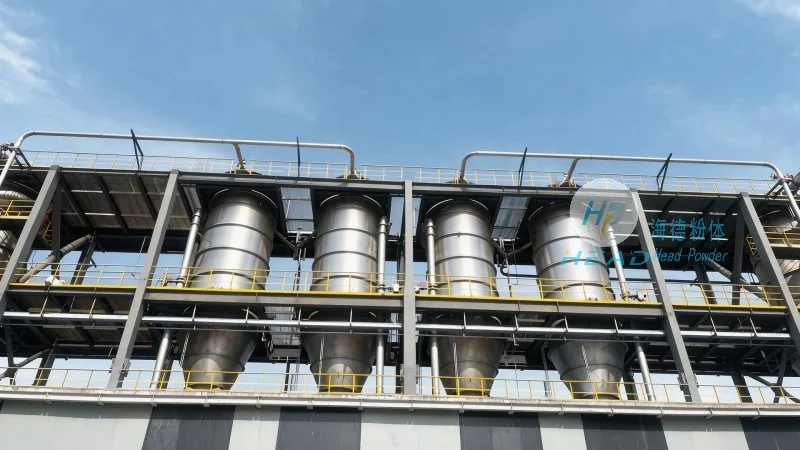
Key Components and Their Roles in Silica Fume Conveying
Several critical components are essential for the proper functioning of a silica fume pneumatic conveying system. The air compressor is the heart of the system, providing the necessary pressure to move the material through the ductwork. High-efficiency compressors with proper filtration are crucial to prevent contaminants from entering the system and damaging the equipment. The ductwork design is another critical aspect, as it must be sized appropriately to accommodate the material's flow characteristics. Ducts are typically made of materials like stainless steel or PVC to resist corrosion and abrasion from the fine silica fume particles. The system also includes a hopper or feeder to feed the material into the conveying line, ensuring a consistent flow rate. The feeder may be a rotary valve or a screw feeder, depending on the system's requirements. Additionally, a separation unit, such as a cyclone or a bag filter, is used to separate the conveyed material from the air stream, preventing dust emissions and ensuring the material is delivered to the destination without loss.

Material Handling Challenges and Solutions
Handling silica fume presents several challenges due to its fine particle size and high reactivity. One of the primary challenges is clogging, which can occur in the ductwork or feeder if the system is not properly designed. To mitigate this, the system must include features such as air knives or vibration systems to keep the material moving. Another challenge is the potential for the material to become electrostatically charged, which can cause dust explosions or affect the material's flow characteristics. Proper grounding and anti-static measures are essential to prevent these issues. The system design must also consider the material's moisture content, as high moisture levels can lead to clumping and clogging. Pre-drying or moisture control measures may be necessary to maintain optimal material properties.

System Integration and Maintenance Considerations
Integrating the silica fume pneumatic conveying system with existing facilities is a critical step in the design process. The system must be compatible with the existing infrastructure, including the air supply and material storage areas. Proper integration ensures minimal disruption to the overall operation and maximizes efficiency. Maintenance is another important consideration, as regular maintenance is required to keep the system running smoothly. The air compressor, ductwork, and separation units all require regular inspection and cleaning to prevent clogging and ensure optimal performance. The system should include monitoring equipment to track pressure, flow rate, and material levels, allowing for timely maintenance and adjustments. Proper training for operators is also essential to ensure the system is operated correctly and efficiently.