

Design Considerations for Silica Powder Pneumatic Conveying System Solutions
When designing a pneumatic conveying system for silica powder, several critical factors must be carefully evaluated to ensure efficient, reliable, and cost-effective operation. The process involves selecting appropriate equipment, optimizing system parameters, and addressing material characteristics to minimize issues such as blockages, degradation, and energy consumption. This article outlines key design considerations tailored for silica powder, a common industrial material used in various applications including ceramics, pharmaceuticals, and food processing.
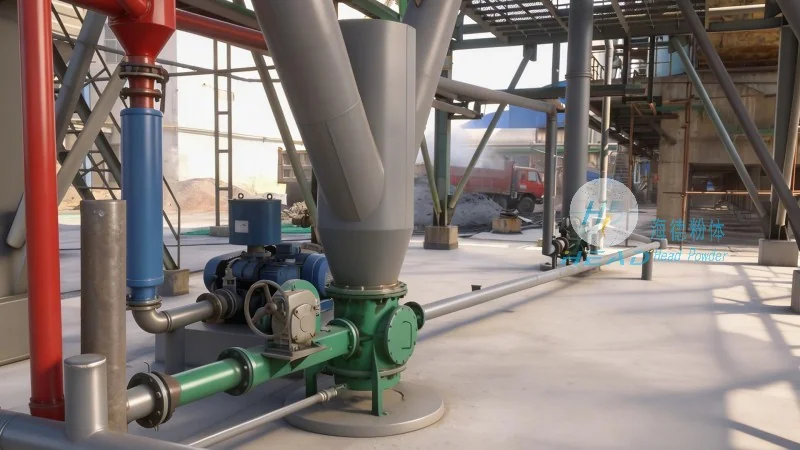
HeadPowder, a leading engineering firm based in Shandong, China, specializes in the design and implementation of advanced pneumatic conveying solutions. With years of experience in handling fine powders like silica, the company’s approach emphasizes a comprehensive understanding of material behavior and system dynamics. The following sections detail essential design elements that contribute to successful silica powder pneumatic conveying system performance.
Material Properties and Handling Challenges
Silica powder, typically with particle sizes ranging from sub-micron to several microns, presents unique challenges due to its fine particle size and cohesive nature. These properties can lead to issues such as agglomeration, static electricity buildup, and high reactivity with air. Designing a system that mitigates these challenges is paramount. For instance, static electricity can cause powder accumulation on surfaces, leading to blockages and safety hazards. Therefore, incorporating anti-static measures, such as grounding systems or ionizers, is a critical design consideration. Additionally, silica’s tendency to form dust clouds requires effective dust control and filtration systems to comply with environmental regulations and ensure worker safety.

System Configuration and Equipment Selection
The configuration of a pneumatic conveying system for silica powder depends on several variables, including the required conveying distance, material flow rate, and the desired pressure or vacuum level. Two primary system types are commonly used: positive pressure and negative pressure (or vacuum) systems. Positive pressure systems use a blower to force air through the pipeline, while negative pressure systems use a vacuum pump to draw material into the system. The choice between these systems impacts energy consumption, material handling capacity, and system complexity. For silica powder, positive pressure systems are often preferred due to their ability to handle higher flow rates and reduce the risk of material degradation from prolonged exposure to vacuum.
Key equipment components include the material feeder, conveying line, and air separation unit. The feeder must be capable of handling fine powders without causing blockages or uneven flow. Screw feeders or rotary valves are commonly used for this purpose, as they provide consistent material feed rates and minimize material degradation. The conveying line should be constructed from materials resistant to silica powder corrosion, such as stainless steel or specialized coatings. Additionally, the line diameter and length must be optimized to maintain adequate air velocity to prevent particle settling and ensure smooth material transport. The air separation unit, typically a cyclone or baghouse, is responsible for separating the conveyed powder from the air stream, allowing for material recovery and air filtration.

Pressure and Flow Rate Optimization
Optimizing pressure and flow rate is crucial for efficient silica powder transport. The air velocity within the conveying line must be maintained above the minimum fluidization velocity of the powder to prevent particle deposition. This velocity varies based on particle size, density, and system configuration. For silica powder, typical air velocities range from 20 to 30 meters per second in positive pressure systems. Maintaining this velocity ensures that particles remain suspended and are conveyed effectively. Additionally, the system pressure must be sufficient to overcome friction losses in the pipeline and any elevation changes. Proper pressure monitoring and control are essential to prevent overpressurization or underpressurization, which can lead to system inefficiencies or equipment damage.
Energy Efficiency and Maintenance Considerations
Energy efficiency is a significant factor in the long-term operation of a silica powder pneumatic conveying system. High energy consumption can increase operational costs and reduce the system’s overall profitability. Designing for energy efficiency involves selecting appropriate equipment with high efficiency ratings, optimizing system pressure and flow rates, and minimizing friction losses in the pipeline. For example, using variable frequency drives (VFDs) to control the blower speed allows for adjustments based on actual material flow requirements, reducing unnecessary energy use. Additionally, regular maintenance is critical to maintaining system performance and energy efficiency. This includes cleaning the air separation unit, inspecting the conveying line for blockages or wear, and replacing worn components promptly. Proper maintenance can extend the system’s lifespan and reduce the need for costly repairs or replacements.

Environmental and Safety Compliance
Compliance with environmental and safety regulations is a critical consideration when designing a silica powder pneumatic conveying system. Silica dust is a known health hazard, and systems must be designed to minimize dust emissions and ensure worker safety. This includes implementing effective dust control measures, such as local exhaust ventilation and dust collection systems. The air separation unit must be designed to capture a high percentage of the conveyed powder, reducing emissions to the environment. Additionally, the system must be equipped with safety features, such as pressure relief valves and emergency shut-off mechanisms, to prevent accidents and protect personnel. Compliance with local and national regulations, such as those from the Occupational Safety and Health Administration (OSHA) or the Environmental Protection Agency (EPA), is essential to avoid fines and ensure a safe working environment.
Conclusion
Designing a successful silica powder pneumatic conveying system requires a comprehensive approach that considers material properties, system configuration, and operational requirements. By addressing key design considerations such as material handling challenges, equipment selection, pressure optimization, energy efficiency, and safety compliance, engineers can develop systems that are efficient, reliable, and cost-effective. HeadPowder, with its expertise in handling fine powders like silica, offers tailored solutions that meet the specific needs of industrial applications. By following these design principles, companies can enhance their operational efficiency, reduce costs, and ensure compliance with environmental and safety regulations.