

Design of Sodium Dithionite Pneumatic Conveying System
Headpowder, a professional engineering company based in Shandong, China, specializes in the design and implementation of advanced pneumatic conveying systems for sodium dithionite. This article provides a detailed overview of the system design process, focusing on the technical aspects, equipment selection, and operational advantages tailored to the unique characteristics of sodium dithionite.

System Overview and Core Components
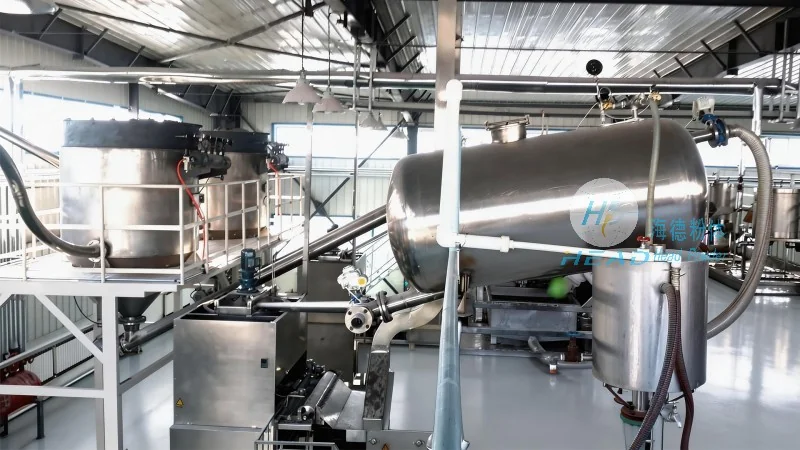
The pneumatic conveying system for sodium dithionite is engineered to efficiently transport this chemical from storage silos to processing units or packaging areas. The design incorporates key components such as a feed hopper, rotary valve, air compressor, and a conveying pipeline network. Each component is selected based on the material's properties, including its bulk density, flowability, and potential for dust generation. The system is designed to ensure minimal product degradation and maintain consistent flow rates, which are critical for maintaining product quality and operational efficiency.
Material Handling Considerations for Sodium Dithionite
Sodium dithionite, also known as sodium hydrosulfite, is a white crystalline powder with moderate hygroscopicity and sensitivity to moisture. These properties require careful consideration in the system design to prevent caking, agglomeration, or moisture absorption during transport. The system employs a closed-loop design with sealed hoppers and pipelines to minimize exposure to ambient conditions. Additionally, the use of air classification and filtration systems ensures that the conveyed material remains free-flowing and free from contaminants that could affect downstream processes.
Equipment Selection and Technical Specifications
The air compressor is a critical component, typically a positive displacement type, capable of delivering sufficient air pressure and volume to maintain the desired conveying velocity. The pipeline diameter and length are calculated based on the material's particle size distribution and the required flow rate. For sodium dithionite, which has a relatively fine particle size (typically 100-200 mesh), a smaller pipeline diameter may be used to maintain optimal velocity and prevent blockages. The system also includes a pressure relief valve and a filter to protect the compressor and ensure clean air delivery.

Operational Advantages and Efficiency
Compared to traditional mechanical conveying methods, pneumatic conveying offers several advantages for sodium dithionite. These include reduced product handling time, lower labor costs, and improved safety by eliminating manual handling of the material. The system's ability to handle the material in a closed environment also minimizes dust emissions and environmental impact. Furthermore, the design allows for easy integration with existing production lines, enabling seamless material transfer without disrupting ongoing operations.

Customization and Scalability
Headpowder's engineering team offers customized solutions tailored to the specific needs of each client. The system design can be scaled to accommodate varying production capacities, from small-scale laboratory applications to large industrial facilities. The company's expertise in material handling and pneumatic systems ensures that the final design meets the client's operational requirements while adhering to industry standards and safety regulations.
Conclusion
The design of a sodium dithionite pneumatic conveying system by Headpowder, Shandong HeadPowder Engineering Co., Ltd., represents a sophisticated approach to material handling that balances efficiency, safety, and product integrity. By leveraging advanced engineering principles and tailored equipment selection, the system ensures reliable and consistent transport of sodium dithionite, supporting the smooth operation of industrial processes. With a focus on quality and customer satisfaction, Headpowder continues to provide innovative solutions for the chemical industry's material handling challenges.