

Design of Compound Fertilizer Pneumatic Conveying System
For industrial operations handling compound fertilizers, the design of an efficient and reliable pneumatic conveying system is crucial. This system ensures the safe and effective transport of bulk materials, minimizing downtime and operational costs. The following content outlines the key aspects of such a system, highlighting the expertise of Shandong HeadPowder Engineering Co., Ltd., a leading provider in the field.

System Overview and Core Components
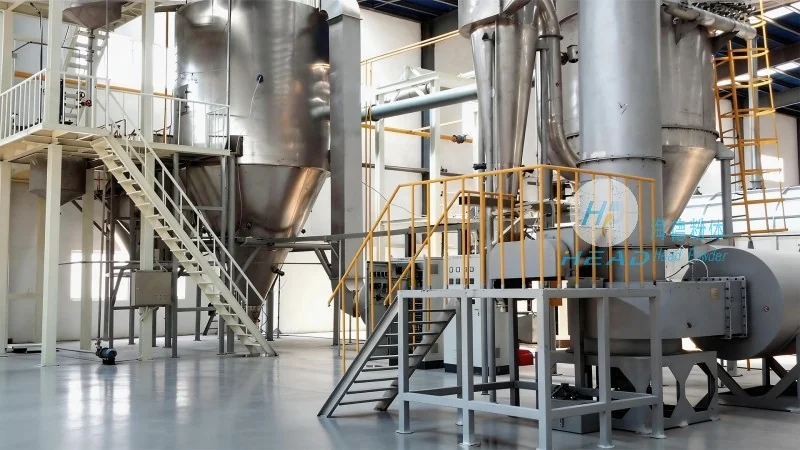
A compound fertilizer pneumatic conveying system typically comprises several critical components that work in tandem to achieve seamless material transport. The system design begins with the material feed hopper, which stores and regulates the flow of fertilizer granules. From there, the material is introduced into the conveying line via a rotary valve or feeder, ensuring a consistent and controlled feed rate. The heart of the system is the conveying pipeline, which can be either positive or negative pressure, depending on the specific application requirements. Positive pressure systems use blowers or compressors to push material through the line, while negative pressure systems create a vacuum to draw material in. The choice of pressure type is determined by factors such as material characteristics, distance to be conveyed, and system layout. Additionally, the system includes a filter and cyclone separator to remove dust and separate the conveyed material from the air stream, maintaining air quality and preventing material loss. A silencer may also be incorporated to reduce noise levels, ensuring compliance with environmental regulations. The control panel, equipped with sensors and automation controls, monitors system performance, adjusts pressure and flow rates, and alerts operators to any abnormalities, enhancing operational safety and efficiency.

Design Considerations for Optimal Performance
The success of a pneumatic conveying system for compound fertilizers hinges on careful design considerations that address material properties, operational conditions, and safety standards. First, the physical and chemical characteristics of the fertilizer must be thoroughly analyzed. Compound fertilizers often contain granules of varying sizes, shapes, and moisture content, which can affect flowability and abrasiveness. Abrasive materials, like those with high silica content, require special considerations for pipeline wear and component durability. The system designer must select materials for the conveying line, such as stainless steel or high-grade plastic, that can withstand the corrosive and abrasive nature of the fertilizer. Additionally, the system must account for the potential for material segregation, where different particle sizes or compositions may separate during transport. This can be mitigated through the use of appropriate hopper designs and flow control mechanisms. The system's capacity and flow rate must be matched to the production requirements of the fertilizer plant, ensuring that the conveying speed is sufficient to meet throughput targets without causing excessive pressure drops or material degradation. Energy efficiency is another critical design factor, as pneumatic conveying systems can be energy-intensive. The selection of high-efficiency blowers or compressors, along with optimized pipeline dimensions and layout, helps minimize energy consumption while maintaining performance. Finally, safety is paramount in industrial applications. The system must incorporate explosion-proof components, especially in areas where dust accumulation is a risk. Proper ventilation and dust collection systems are essential to prevent dust explosions and ensure a safe working environment for personnel. Compliance with local and international safety standards, such as those from the International Electrotechnical Commission (IEC) or the American National Standards Institute (ANSI), is mandatory to avoid legal and operational risks.
HeadPowder Engineering's Expertise in System Design
Shandong HeadPowder Engineering Co., Ltd., operating under the brand name headpowder, is a trusted partner in the design and implementation of compound fertilizer pneumatic conveying systems. With years of experience in the fertilizer industry, the company has developed a deep understanding of the unique challenges associated with handling bulk fertilizers. The team of engineers at headpowder leverages advanced design software and methodologies to create customized solutions tailored to each client's specific needs. They conduct thorough site assessments and material analysis to ensure that the system design addresses all operational and safety requirements. The company's commitment to quality is reflected in its adherence to international standards, such as ISO 9001 for quality management systems. This certification ensures that every system is manufactured and tested to meet the highest performance and safety standards. HeadPowder Engineering also provides comprehensive after-sales support, including system maintenance, troubleshooting, and upgrades, to ensure long-term reliability and optimal performance. The company's reputation for delivering efficient, durable, and cost-effective pneumatic conveying systems has made it a preferred choice for fertilizer manufacturers worldwide. By combining technical expertise with a customer-centric approach, headpowder helps clients enhance their operational efficiency, reduce downtime, and improve overall productivity in fertilizer handling operations.