

What Are Powder Material Handling Systems? Understanding Their Design Principles
Efficient and reliable powder material handling systems are essential in various industrial applications, from manufacturing to processing. These systems are designed to transport, store, and manage bulk powders with precision and control. Understanding the components and design principles behind such systems is crucial for optimizing operational efficiency and ensuring product quality. Shandong HeadPowder Engineering Co., Ltd. specializes in the design and implementation of advanced powder material handling solutions tailored to diverse industrial needs.
Key Components of Powder Material Handling Systems
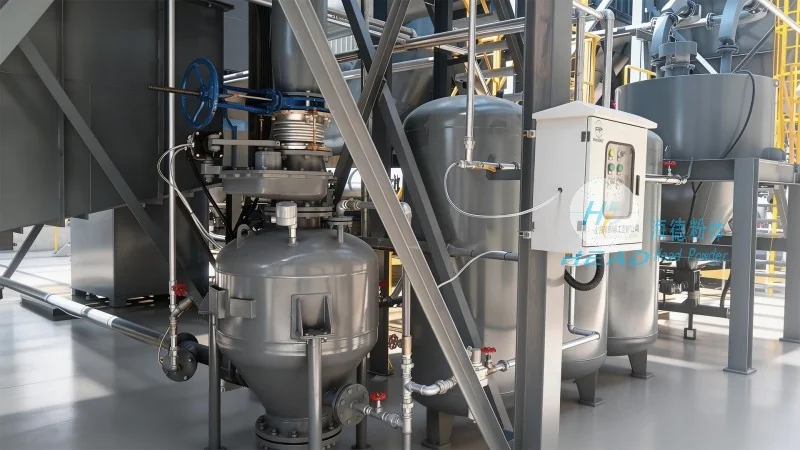
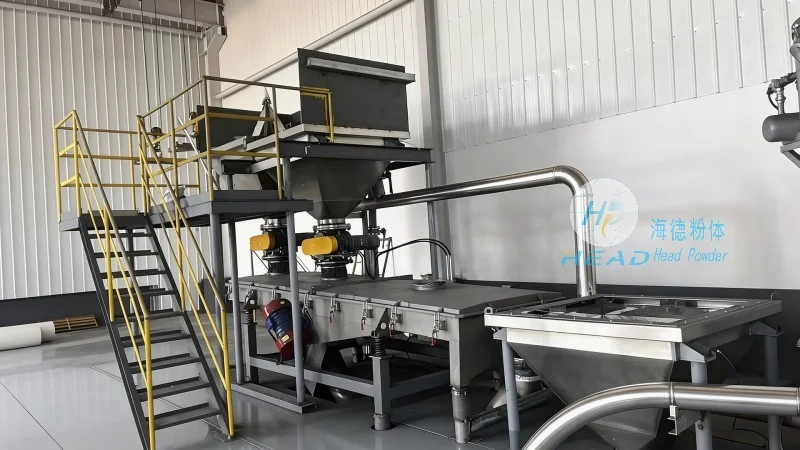
A typical powder material handling system consists of several critical components that work in tandem to achieve seamless material flow. The primary elements include feeders, conveyors, storage vessels, and control systems. Feeders, such as rotary or vibratory types, are responsible for accurately dosing and feeding powders into the system. Conveyors, including pneumatic or mechanical options, transport the material through the system while maintaining consistent flow rates. Storage vessels, often equipped with agitators or mixers, ensure proper material conditioning and prevent caking or segregation. Control systems, utilizing sensors and automation technology, monitor and regulate the entire process, enhancing operational safety and efficiency.
Design Principles for Optimal Performance
The design of a powder material handling system is governed by several key principles aimed at maximizing performance and minimizing issues like material degradation or equipment wear. One fundamental principle is the prevention of material segregation and agglomeration. This is achieved through proper material flow design, including the use of inclined chutes and appropriate conveyor speeds. Another critical principle is the control of air flow and pressure within the system. Pneumatic systems, for instance, rely on precise air pressure and flow rates to move powders without causing excessive friction or particle breakdown. Additionally, the system's design must consider the material's physical properties, such as density, flowability, and moisture content, to select appropriate equipment and configurations.
Applications and Industries Benefiting from These Systems
Powder material handling systems are widely used across multiple industries, including pharmaceuticals, food processing, chemicals, and mining. In the pharmaceutical industry, these systems ensure the safe and hygienic handling of active pharmaceutical ingredients (APIs) and excipients, maintaining product purity and compliance with regulatory standards. In food processing, they facilitate the efficient transfer of ingredients like flour, sugar, and spices, supporting large-scale production and quality control. The chemical industry utilizes these systems for handling raw materials and intermediates, while the mining sector relies on them for transporting ore and other bulk materials. Each application requires tailored system designs to address specific material characteristics and operational requirements.

Advantages of Advanced Powder Handling Solutions
Modern powder material handling systems offer numerous advantages over traditional methods, including improved process control, reduced downtime, and enhanced product quality. Advanced technologies, such as real-time monitoring and predictive maintenance, enable operators to detect and address issues before they escalate, minimizing operational disruptions. Additionally, the use of high-quality materials and robust construction ensures long-term durability and reliability, reducing maintenance costs over the system's lifecycle. These systems also contribute to environmental sustainability by minimizing material waste and optimizing energy consumption through efficient flow management.
Conclusion
Powder material handling systems are sophisticated industrial solutions that play a vital role in modern manufacturing and processing. By understanding the key components and design principles, industries can select and implement systems that meet their specific needs, leading to improved efficiency, product quality, and operational safety. As technology continues to advance, these systems will likely evolve to incorporate more intelligent and automated features, further enhancing their capabilities and versatility. Shandong HeadPowder Engineering Co., Ltd. remains committed to providing innovative and reliable powder handling solutions to meet the evolving demands of global industries.