

Mica Sand Powder Conveying: Operation Process and Working Principle
Shandong HeadPowder Engineering Co., Ltd., a leading enterprise in the powder conveying industry, specializes in providing advanced solutions for mica sand powder handling. The company, commonly known as HeadPowder, is headquartered in Shandong, China, and has established itself as a key player in delivering efficient and reliable conveying systems for various industrial applications.

Introduction to Mica Sand Powder Conveying Systems
Mica sand, a natural mineral with unique properties, is widely used in industries such as ceramics, paint, and cosmetics due to its excellent light-scattering and reflective characteristics. Efficient and effective powder conveying is crucial for maintaining product quality and operational efficiency in processing mica sand. The operation process and working principle of mica sand powder conveying systems involve several critical components and steps that ensure smooth material transport from source to destination.
Key Components of Mica Sand Powder Conveying Systems
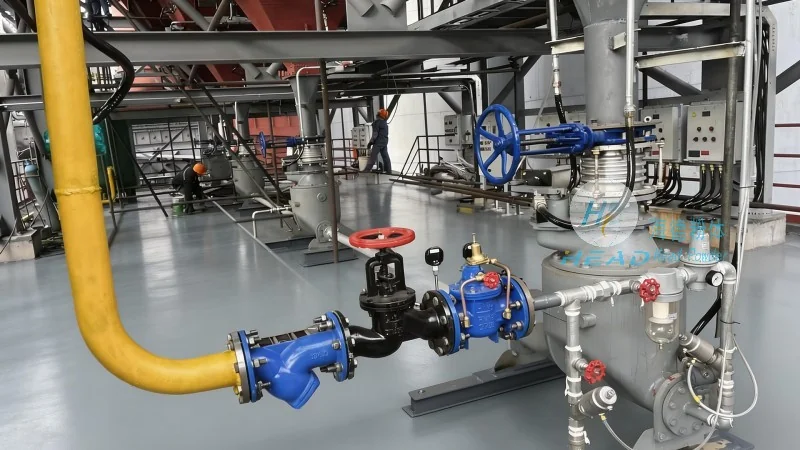
The core components of a mica sand powder conveying system typically include a hopper for material storage, a feeder to control the flow rate, a conveyor (such as a screw conveyor or pneumatic conveyor), and a control system to regulate the entire process. Each component plays a vital role in ensuring the system operates efficiently and safely. The hopper is designed to hold a sufficient quantity of mica sand, preventing material buildup and ensuring a steady supply to the feeder. The feeder, often a rotary valve or a vibratory feeder, regulates the flow rate of the powder, preventing overloading or underflow that could disrupt the conveying process. The conveyor, which can be either mechanical (like a screw or belt conveyor) or pneumatic (using air pressure to transport the powder), is responsible for moving the mica sand from the hopper to the processing equipment or storage area. The control system, equipped with sensors and automation technology, monitors the flow rate, pressure, and other parameters to maintain optimal operation and prevent system failures.
Operation Process of Mica Sand Powder Conveying
The operation process of a mica sand powder conveying system begins with the loading of mica sand into the hopper. Once the hopper is filled, the feeder starts to regulate the flow rate, ensuring a consistent supply of material to the conveyor. In a mechanical conveyor system, the screw or belt rotates, transporting the mica sand through the conveyor tube or trough. The speed of the conveyor is adjusted based on the required flow rate and the characteristics of the mica sand, such as particle size and moisture content. In a pneumatic conveying system, compressed air is used to create a flow of air and powder mixture, moving the mica sand through the pipeline. The control system continuously monitors the pressure and flow rate, making real-time adjustments to maintain the desired conveying rate. As the mica sand reaches the end of the conveyor, it is discharged into the next processing stage or storage container. The entire process is designed to be continuous and automated, minimizing human intervention and ensuring consistent product quality.
Working Principle of Mica Sand Powder Conveying
The working principle of mica sand powder conveying systems is based on the principles of fluid dynamics and mechanical motion. In mechanical conveying systems, the conveyor (e.g., screw or belt) provides the necessary force to move the mica sand through the system. The screw conveyor, for example, uses a rotating screw to push the powder forward, while the belt conveyor uses a moving belt to transport the material. The key is to maintain a consistent speed and torque to ensure the material is conveyed without clogging or degradation. In pneumatic conveying systems, the principle is based on the use of air pressure to create a flow of the powder-air mixture. The compressed air is introduced into the pipeline, creating a pressure differential that moves the mica sand through the system. The velocity of the air and the size of the particles determine the conveying efficiency. The system must be designed to handle the specific characteristics of mica sand, such as its light weight and tendency to settle, to prevent segregation and ensure uniform conveying.

Advantages of Mica Sand Powder Conveying Systems
Efficient mica sand powder conveying systems offer several advantages for industrial applications. Firstly, they ensure consistent and reliable material transport, reducing the risk of material loss or contamination. Secondly, the automated control systems minimize human error and labor costs, improving operational efficiency. Thirdly, the systems are designed to handle the unique properties of mica sand, such as its light weight and reflective surface, without causing degradation or segregation. Additionally, the systems can be scaled to meet the needs of different production capacities, from small-scale processing to large industrial applications. The use of advanced materials and design in the components ensures durability and long-term performance, reducing maintenance costs and downtime.
Applications of Mica Sand Powder Conveying
Mica sand powder conveying systems are widely used in various industries due to the versatility of mica sand. In the ceramics industry, mica sand is used as a raw material for making tiles, bricks, and other ceramic products. The conveying system ensures a steady supply of mica sand to the mixing and molding processes, maintaining product quality and consistency. In the paint and coating industry, mica sand is used as a pigment and filler, providing a glossy and reflective finish. The conveying system transports the mica sand to the mixing tanks, ensuring uniform distribution and preventing agglomeration. In the cosmetics industry, mica sand is used in powders and creams, providing a smooth and shiny texture. The conveying system ensures the mica sand is handled hygienically and efficiently, maintaining product safety and quality. Other applications include the production of insulation materials, where mica sand is used as a filler, and in the manufacturing of electrical components, where its dielectric properties are utilized.