

Operation Process and Working Principle of White Carbon Black Powder Conveying
White carbon black, a critical industrial material widely used in rubber, plastics, and other manufacturing sectors, requires efficient and reliable powder conveying systems to ensure smooth production processes. The operation process and working principle of such systems are essential for maintaining product quality and operational efficiency. This article provides a detailed overview of the key aspects involved in the conveyance of white carbon black powder, focusing on the technical and practical elements that define effective powder handling solutions.
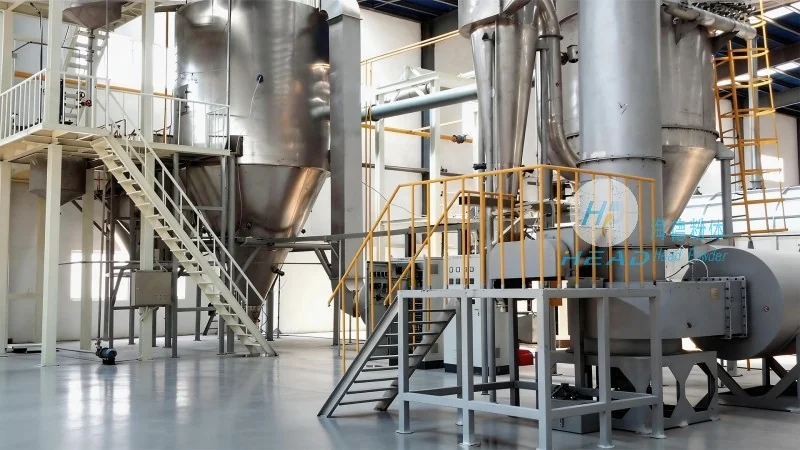
Company Overview: Shandong HeadPowder Engineering Co., Ltd.
Shandong HeadPowder Engineering Co., Ltd., operating under the brand name headpowder, is a specialized provider of engineering solutions for powder handling and material processing. With a strong presence in China, particularly in Shandong province, the company has established itself as a trusted partner in delivering high-quality equipment and services tailored to the needs of industries dealing with fine powders like white carbon black. The company’s commitment to innovation and customer satisfaction has positioned it as a key player in the field of powder conveying technology.
Key Components and Operation Process of White Carbon Black Powder Conveying
The operation of white carbon black powder conveying systems typically involves several critical components that work in tandem to ensure the safe and efficient transport of the material. These components include feeders, conveyors, dust collection systems, and control units. The process begins with the material being fed from a storage silo or hopper into a feeder, which regulates the flow rate to maintain consistent conveying performance. From the feeder, the powder is then transferred to the conveyor system, which can be either pneumatic (air-assisted) or mechanical (e.g., screw conveyors or belt conveyors), depending on the specific requirements of the application.

In pneumatic conveying systems, compressed air is used to create a flow that transports the white carbon black particles through a pipeline. This method is particularly effective for handling fine powders as it minimizes particle degradation and ensures a clean, dust-free environment. The working principle involves generating a pressure differential between the inlet and outlet of the pipeline, which propels the powder along the path. Mechanical conveyors, on the other hand, rely on mechanical forces such as rotation or vibration to move the material. Screw conveyors, for example, use a rotating screw to push the powder forward, while belt conveyors utilize a moving belt to transport the material over a series of rollers.

Working Principle of White Carbon Black Powder Conveying
The working principle of white carbon black powder conveying systems is centered around the fundamental physics of material transport. For pneumatic systems, the key is the creation of a stable air-powder mixture, often referred to as a slurry or suspension, which allows the particles to be carried through the pipeline. The air velocity must be sufficient to overcome the gravitational forces acting on the particles and any frictional losses within the system. This requires precise control of air pressure and flow rate to maintain optimal conveying conditions. In mechanical systems, the principle is based on the application of mechanical energy to move the material. The design of the conveyor components, such as the pitch and speed of a screw or the tension of a belt, is critical in determining the efficiency and capacity of the system.

Importance of Proper Design and Maintenance
Proper design and regular maintenance are crucial for the reliable operation of white carbon black powder conveying systems. The design must consider factors such as the particle size distribution, moisture content, and bulk density of the white carbon black, as these characteristics can significantly impact the conveying performance. For example, fine particles may require higher air velocities in pneumatic systems to prevent clogging or segregation, while larger particles might be better suited for mechanical conveyors. Regular maintenance, including cleaning of pipelines, replacement of worn parts, and monitoring of air pressure and flow rates, is essential to prevent system downtime and ensure consistent product quality.
Conclusion and Company Commitment
Efficient white carbon black powder conveying is a cornerstone of modern industrial operations, enabling manufacturers to maintain high production rates while ensuring product integrity. Shandong HeadPowder Engineering Co., Ltd. continues to lead in the development and implementation of advanced powder conveying solutions, leveraging its expertise and commitment to quality to meet the evolving needs of its clients. By understanding the operation process and working principle of these systems, industries can optimize their material handling processes and enhance overall operational efficiency.