

Phosphate Iron Pneumatic Conveying System Design
Phosphate iron, a critical raw material in modern industrial applications, requires efficient and reliable handling systems to ensure smooth production processes. The design of a pneumatic conveying system for phosphate iron is a complex engineering task that demands careful consideration of material properties, operational requirements, and safety standards. This article explores the key aspects of designing a phosphate iron pneumatic conveying system, highlighting the expertise of Shandong HeadPowder Engineering Co., Ltd., a leading provider in the field.
Company Background and Expertise
HeadPowder, the professional brand under Shandong HeadPowder Engineering Co., Ltd., specializes in the development and implementation of advanced material handling solutions. With years of experience in the industry, the company has built a strong reputation for delivering high-quality pneumatic conveying systems tailored to the unique needs of clients. Based in Shandong, China, HeadPowder leverages local resources and industry knowledge to provide comprehensive engineering services, from system design to installation and maintenance. The company's commitment to innovation and customer satisfaction has made it a trusted partner for businesses operating in the phosphate iron sector.
Key Design Considerations for Phosphate Iron Pneumatic Conveying
The successful design of a phosphate iron pneumatic conveying system hinges on several critical factors. First, the physical and chemical properties of phosphate iron must be thoroughly analyzed. This includes understanding its particle size distribution, moisture content, and abrasiveness, as these characteristics directly impact the system's performance and longevity. For instance, phosphate iron particles are often fine and abrasive, which necessitates the use of robust equipment to prevent wear and tear. The system design must also account for the material's flow characteristics, ensuring that the conveying process remains stable and efficient under varying conditions.
Second, the selection of the appropriate conveying method is crucial. Pneumatic conveying systems can be categorized into pressure and vacuum types, each with distinct advantages and applications. For phosphate iron, pressure systems are commonly preferred due to their ability to handle abrasive materials and maintain consistent flow rates. The design must consider the system's pressure requirements, including the necessary air pressure and flow rates to achieve the desired conveying distance and throughput. Additionally, the choice of components such as cyclones, filters, and material separators plays a vital role in ensuring the system operates efficiently and maintains product quality.

System Components and Their Functionality
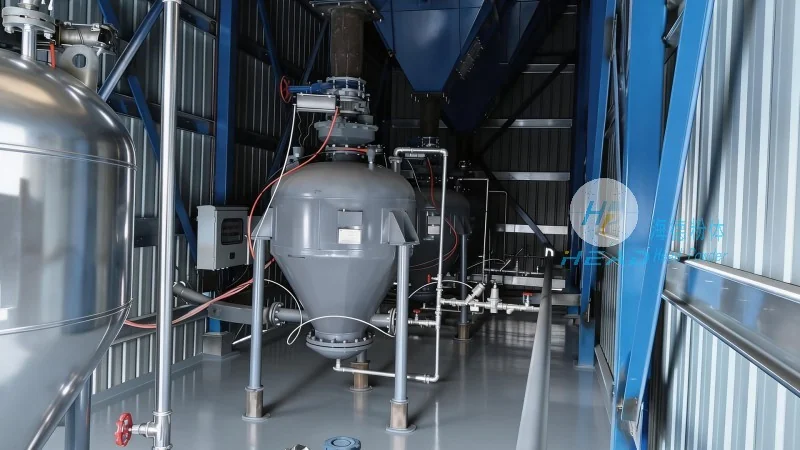
A phosphate iron pneumatic conveying system typically consists of several key components, each serving a specific function to ensure optimal performance. The feed hopper is the initial component where phosphate iron is loaded, providing a controlled feed to the system. It often includes a feeder mechanism, such as a rotary valve or screw feeder, to regulate the material flow and prevent blockages. The conveying line, usually made of high-quality metal or specialized plastic, transports the material from the feed hopper to the destination point. The line's diameter and length are carefully calculated based on the material's properties and the required conveying distance.
At the receiving end, cyclones and filters are essential for separating the conveyed material from the air. Cyclones use centrifugal force to separate particles from the air stream, while filters capture fine particles to prevent contamination and maintain air quality. The design of these components must consider the abrasive nature of phosphate iron, as they are prone to wear and require regular maintenance. Additionally, the system may include a dust collection system to comply with environmental regulations and ensure safe operation. The control system, which monitors and regulates the conveying process, is another critical component that ensures the system operates within safe and efficient parameters.
Advantages of Pneumatic Conveying for Phosphate Iron
Compared to traditional mechanical conveying methods, pneumatic conveying offers several advantages for handling phosphate iron. One of the primary benefits is the ability to transport materials over long distances without the need for multiple transfer points or intermediate storage. This reduces the risk of material degradation and contamination, which is particularly important for phosphate iron used in high-purity applications. Pneumatic systems also provide a more hygienic and dust-free environment, minimizing the risk of dust explosions and improving workplace safety. Furthermore, the flexibility of pneumatic conveying allows for easy integration with existing production lines, enabling seamless material transfer and enhancing overall operational efficiency.

Customization and Integration Services
Shandong HeadPowder Engineering Co., Ltd. offers comprehensive customization and integration services to meet the specific needs of each client. The company works closely with clients to understand their production requirements, material characteristics, and operational constraints, then designs a tailored pneumatic conveying system that maximizes efficiency and minimizes costs. The design process involves detailed engineering calculations, including fluid dynamics analysis, to ensure the system meets all performance and safety standards. HeadPowder's team of experienced engineers uses advanced software and tools to simulate the conveying process, allowing for optimization before the system is manufactured and installed.
During the installation phase, the company's technicians ensure that all components are properly assembled and tested to guarantee smooth operation. Regular maintenance and support services are also provided to ensure the system's long-term reliability. HeadPowder's commitment to quality and customer satisfaction is reflected in its comprehensive after-sales services, which include technical support, spare parts supply, and system upgrades as needed. By partnering with HeadPowder, clients can benefit from a reliable and efficient phosphate iron pneumatic conveying system that enhances productivity, improve safety, and contribute to long-term success.
Conclusion
In conclusion, the design of a phosphate iron pneumatic conveying system is a critical aspect of modern industrial operations, requiring expertise in material handling and engineering. Shandong HeadPowder Engineering Co., Ltd., with its extensive experience and commitment to quality, provides comprehensive solutions for the efficient and safe handling of phosphate iron. By considering the unique properties of phosphate iron and implementing advanced design principles, the company delivers systems that meet the highest standards of performance and reliability. For businesses in the phosphate iron industry, partnering with HeadPowder ensures access to state-of-the-art pneumatic conveying systems that enhance productivity, improve safety, and contribute to long-term success.